


A CRITICAL JUNCTURE, NEW SOLUTIONS.
The fight against malaria is at a tipping point. Two threats are converging:
1. Climate change is redrawing the malaria map. A 1°C temperature rise can increase transmission in highland areas by 30%. Malaria is moving “upslope” into places like Ethiopia’s highlands above 2,500m — areas that were once malaria-free. Worse, 79% of projected new cases and 93% of additional deaths will come from cyclones and floods that destroy clinics, roads, and mosquito nets. By 2050, this could mean *500,000 more deaths and 123 million new cases in Africa.
2. Funding is falling short. A 30% cut in funding could lead to 146 million more cases, 640 million fewer bed nets, and nearly 400,000 additional deaths by 2030.
WHAT WE CAN DO .
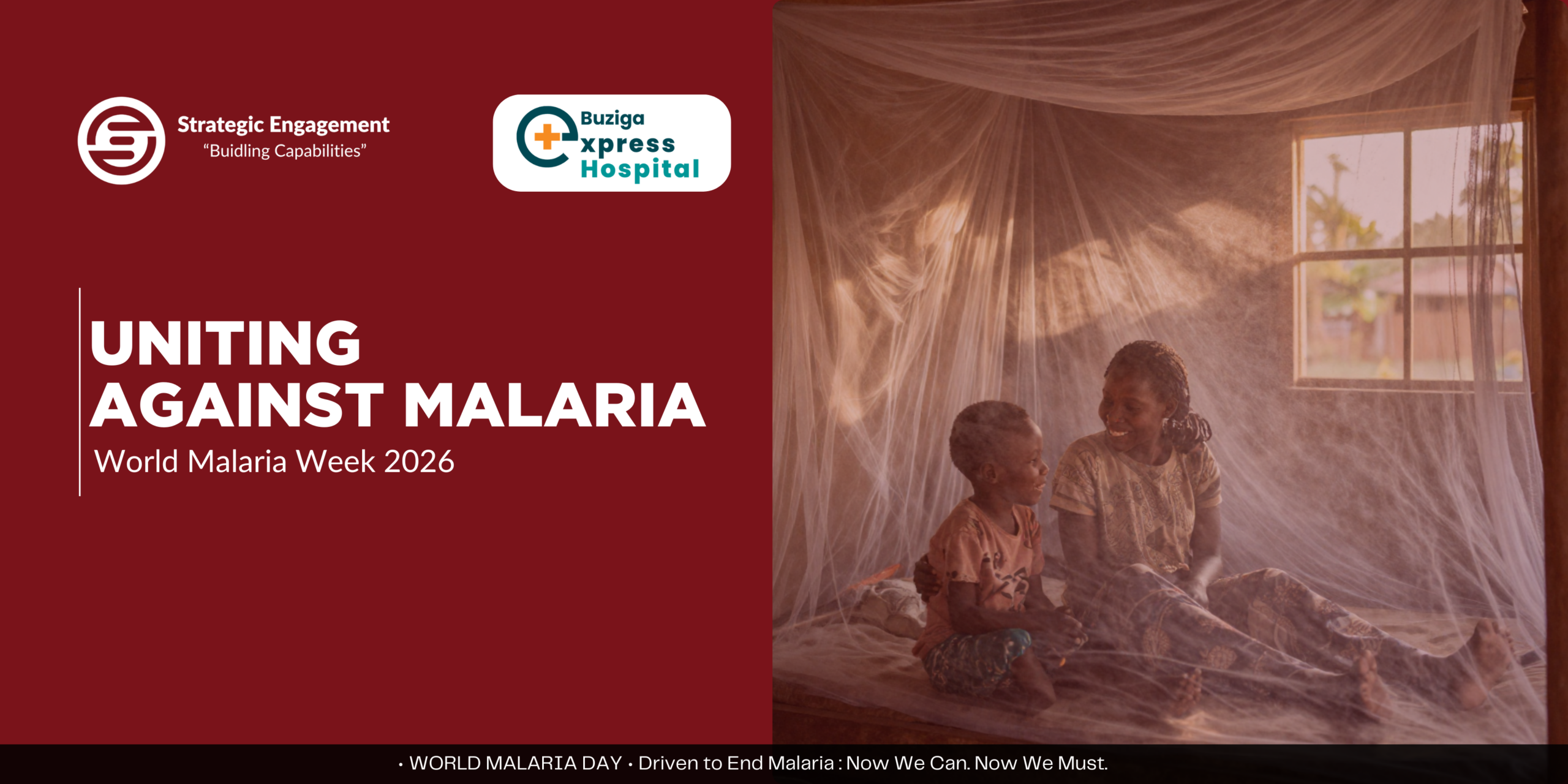
1. Master vector control — stop the bite
– Sleep under ITNs every night. New dual-ingredient nets beat mosquito resistance
– Indoor Residual Spraying: Kills mosquitoes resting on walls
– Personal protection: Screens, long clothing after dusk, repellents with DEET/IR3535/Icaridin
2. Use preventive medicines for high-risk groups
– SMC: Monthly antimalarials for kids in seasonal areas during rainy season
– IPTp: Pregnant women should get preventive doses at antenatal visits
– Travelers: Get prophylaxis weeks before visiting endemic areas
3. Act fast: The “24,2 Hours” Rule
– Symptoms start 10-15 days after bite: fever, chills, headache
– 24 hours: Test + treat uncomplicated malaria within 24 hours of symptoms
– 2 hours: Severe symptoms = emergency care within 2 hours of reaching clinic
– Never self-medicate: Always test first with RDT/microscopy, finish full ACT course to avoid resistance
WHAT’S NEEDED NOW
1. Map the new risk zones —especially highlands above 2,000m
2. Make repellents affordable through subsidies and education
3. Fund flexible, climate-resilient health systems that survive floods and cyclones
To win, we need to back science and back communities.
Zero Malaria starts with us.
-Dr Melody – Buziga Express Hospital.